

The Jacquelyn is best known for its diversity. Like Sacramento, our members represent a mix of backgrounds, professions, and perspectives that few places can match.
On The Jacquelyn Social Exchange podcast, those perspectives get a voice. Recently, host Mary Daffin explored A Man’s Point of View. Meet four Jacquelyn members having honest conversations about ambition, identity, and the pressure nobody sees.

Gabe Lemon
Co-owner G6 Elite Performance Training
Resilience isn’t a trait you have, it’s a muscle you build. Gabe Lemon has spent years building his.
A former college athlete whose career was cut short by injury, Gabe struggled with the loss of the identity he had built around the game. Over time, though, he came to understand that life is defined less by what you do and more by who you are.
It’s one of the many lessons he now passes on through G6 Performance, the athletic training and development facility he founded in Sacramento. Since opening its doors, the facility has trained more than 10,000 athletes, some of whom have gone on to compete professionally.
About five years ago, Gabe was diagnosed with multiple sclerosis, a chronic neurological disease. Some mornings, he wakes up numb from the neck down. The diagnosis initially brought fear and frustration.
“You must live life forward in order to understand it backward.”
Today, he’s channeled that emotion into serving others instead.
As a husband, father, friend, leader, and older brother, he believes fulfillment comes from focusing beyond yourself. It’s a perspective that reflects one of his guiding principles: “You must live life forward in order to understand it backward.”

Bryan Flaherty
Publisher, Sacramento Business Journal
There’s a hallway at the Portland Business Journal where, a decade ago, Bryan Flaherty pointed at his future.
He gestured toward the publisher’s office and told his wife, Molly, “I want that job.” This May, after more than two years as Advertising Director, he was named Publisher of the Sacramento Business Journal.
Now leading one of Sacramento’s most visible roles, Bryan still bets on in-person over digital. He starts with the basics: being back in the office and solving problems face-to-face.
As he put it, video calls rarely put you in the same room as the CEO, but a shared office does, through the small, unplanned moments video can’t replicate. Those moments, he believes, can matter more than people realize. And the benefits go beyond that, which is part of why his advice to the younger generation starts with showing up.
Put yourself out there, be memorable, and shake as many hands as possible. No matter your background, Bryan believes you can carry yourself well and put yourself in spaces that benefit both your career and your life.
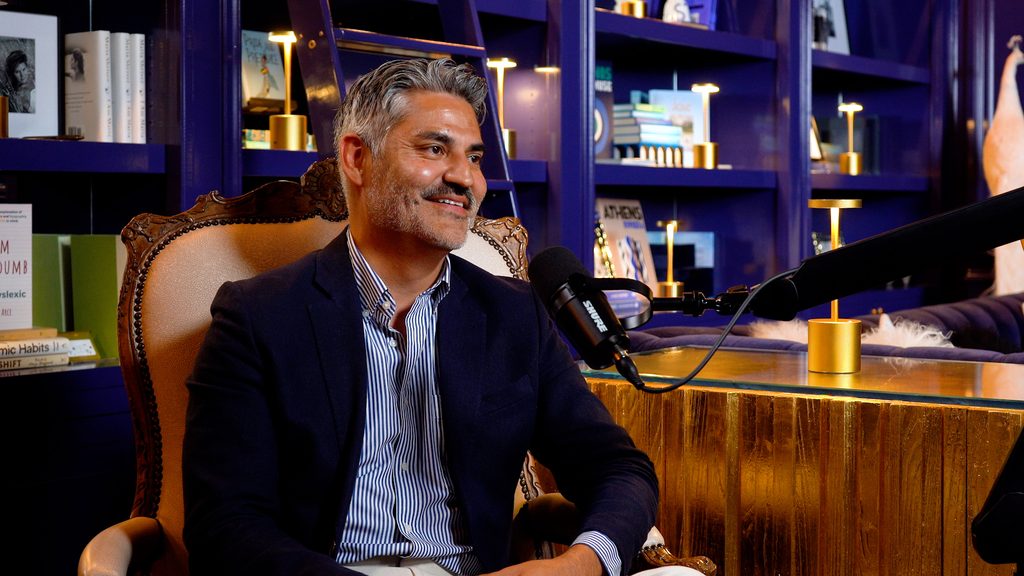
Carlos Marquez
Executive Director, County Welfare Directors Association of California
Uplifting others through his own experiences has become central to Carlos Marquez’s work.
Part of Carlos’s childhood was marked by trauma, in the very place meant to protect him. As he grew older, he recognized the critical role social services played in helping him overcome hardship and build a path forward.
Today, Carlos advocates for policies that give others the same opportunity to find stability and thrive.
Those experiences have also shaped how he understands identity, resilience, and masculinity. As an openly gay, Mexican-American man, Carlos recalled the scrutiny he faced growing up for expressing emotions more freely than society often expected of men — scrutiny that continued until he came out at 17.
He credits his grandfather with instilling rigor and perseverance, and his grandmother and aunts with helping him embrace who he is today. Carlos encourages young men to seek out mentors who model accountability and demonstrate what it means to be a responsible man.
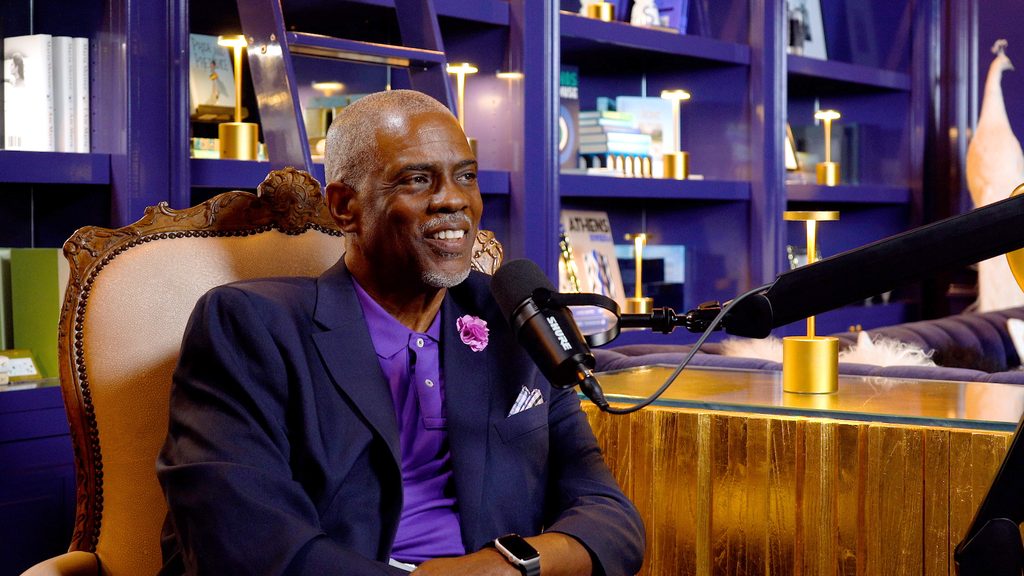
Mark T. Harris
Attorney with Ben Crump Law PLLC
Professor at University of California, Merced
When Mark T. Harris visited Costa Rica, something stood out to him: the locals weren’t interested in his professional background. They wanted to know who he was, what he believed in, and what he was committed to.
Mark’s career has spanned Wall Street investment banking, decades as a professor at the University of California, Merced, and years as a lawyer and civil rights activist. That contrast gave him pause. Why don’t we do that in America?
To Mark, success isn’t about climbing the mountain, reaching the top, and stopping there. It’s about paying it forward, planting a tree you might never see grow. “To those who much is given, much is expected,” he said.
“To whom much is given, much is expected.”
He encouraged today’s youth, particularly young men, to resist “an erosion of a commitment to better” and to avoid slipping backward on the progress made toward equity between men and women. He added that society has overemphasized equality, and needs to give equal weight to equity, because not everyone starts from the same place in life.
In the end, though, he keeps it simple: be kind.